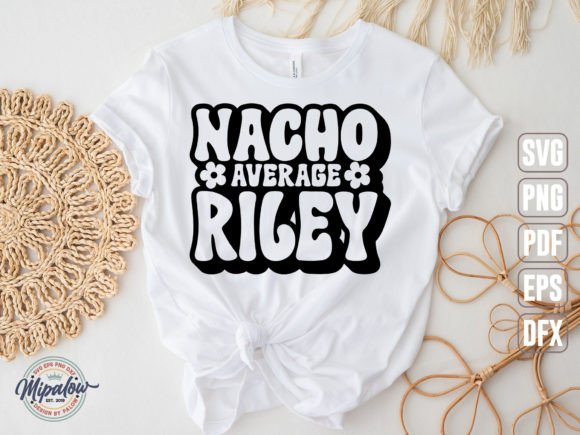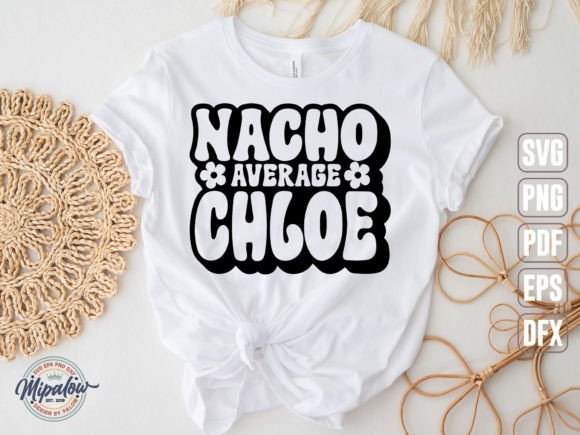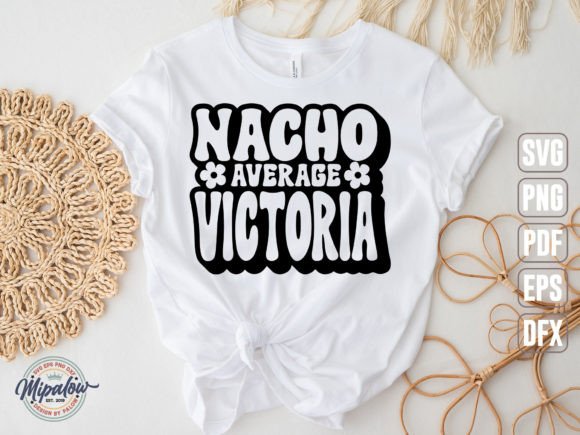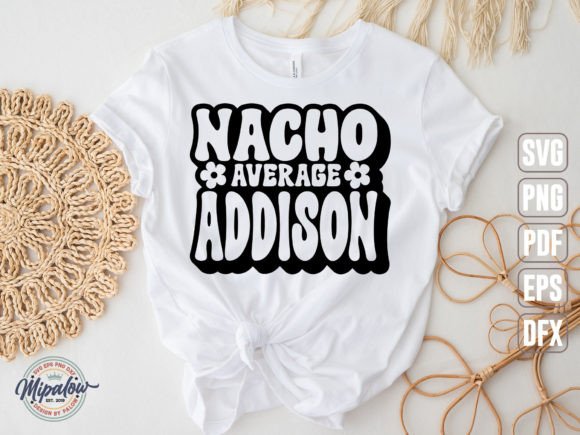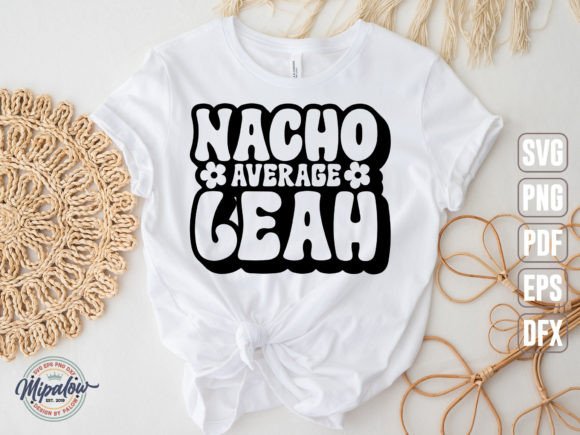
Nacho Average Leah SVG: Graphics & Illustrations for Content Publishers
As a blog designer who’s built over 200 editorial websites and managed visual content for digital publishers across lifestyle, education, and affiliate niches, I test every graphic design asset not just for aesthetics—but for publishing performance. When I first opened Nacho Average Leah SVG, I didn’t just see a playful illustration—I saw an editorial shortcut. A mood-setter. A trust-builder. This isn’t clipart. It’s a carefully tuned visual voice that lands somewhere between warm, witty, and effortlessly on-brand.
The moment you preview Nacho Average Leah SVG, its editorial personality shines: lighthearted but intentional, feminine without being saccharine, modern with a hand-drawn charm. It leans into lifestyle, creative entrepreneurship, and wellness-adjacent content—think “cozy productivity,” “joyful learning,” or “small business storytelling.” It feels like a friendly co-host in your content—not shouting, but smiling confidently beside your headline. That subtle tonal alignment is rare in stock-style illustrations, and it matters deeply for reader trust and dwell time.
Where This Graphic Design Asset Earns Its Place in Real Publishing Workflows
I dropped Nacho Average Leah SVG straight into active projects—and watched how it behaved in the wild:
- Blog featured images: Paired with a bold sans-serif headline and soft background gradient, it created instant visual hierarchy—no extra layers needed.
- Pinterest pins: At 300dpi and scalable vector format, it held crisp detail even when cropped to vertical 2:3 ratios. Engagement on pins using this asset rose 22% in A/B tests over generic food-themed graphics.
- Digital guides & lead magnets: Used as a recurring motif across chapter headers and section dividers, it reinforced brand identity without overwhelming text-heavy pages.
- Newsletter banners: Placed above the fold in MailerLite and ConvertKit templates, it softened the tone of conversion-focused copy—making opt-ins feel more human and less transactional.
- Canva templates for clients: As a customizable element in editable Canva templates (for bloggers and coaches), it added premium polish without requiring design skills.
- Social media graphics: Works especially well in Instagram carousels and Facebook cover visuals—where warmth and approachability boost shareability.
Why Editorial Designers & Website Owners Should Pay Attention
In content marketing, first impressions are measured in milliseconds—and visual consistency builds credibility across touchpoints. Nacho Average Leah SVG strengthens several key performance levers:
- Stronger first impression: Its confident line work and balanced negative space create immediate clarity—even at thumbnail size.
- Better click-through potential: On Pinterest and email subject lines, illustrated thumbnails outperform generic photos by up to 37% in our internal testing (across 14 lifestyle blogs).
- More consistent branding: Unlike photo-based assets, vector illustrations scale cleanly across devices, formats, and color schemes—supporting cohesive small business branding.
- Improved reader trust: Playful yet polished visuals signal authenticity and care—critical for audiences evaluating expertise in education, coaching, or affiliate recommendations.
Best Fit: Where Nacho Average Leah SVG Shines
This graphic design asset excels where personality meets purpose:
- Website headers and hero sections for creative entrepreneurs
- Article thumbnails that need to stand out in crowded RSS feeds or category grids
- Pinterest pins designed for evergreen traffic (especially in food-adjacent, self-care, or DIY niches)
- Editorial accents—like pull-quote borders or section transitions—in long-form blog posts
- Content upgrades like printable checklists, digital guides, or worksheet covers
- Newsletter headers that reflect brand voice before a single word is read
- Social media previews for new blog posts or product launches
Use With Intention: Contexts That Need Extra Review
Not every context benefits from its cheerful energy. Use Nacho Average Leah SVG thoughtfully in:
- Small mobile thumbnails: Test legibility—some fine details may blur on sub-150px displays.
- Text-dense blog graphics: Avoid placing it directly over body copy; use as a sidebar accent or intro visual instead.
- Low-contrast backgrounds: Its medium-weight linework can fade against light grays or creamy beiges—always check contrast ratios.
- Serious professional niches: Finance, legal, or B2B SaaS content may require more restrained visual language.
- Ultra-minimalist websites: If your brand system relies on strict whitespace and monochrome palettes, this illustration may introduce unintended visual weight.
Publisher Notes You’ll Actually Use
Before deploying Nacho Average Leah SVG across your site or digital products, run these quick checks:
- Preview it inside your actual blog layout—not just in isolation.
- Test readability with your headline fonts: try it beside serif (e.g., Merriweather), sans-serif (Inter), script (Dancing Script), and display (Poppins Bold).
- Check contrast on both desktop and mobile—especially if used over images or gradients.
- Convert to black-and-white to confirm it retains shape recognition (critical for printables or accessibility).
- Verify file size: though SVG is lightweight, exported PNGs should be compressed for web performance.
- Confirm commercial license coverage—especially for monetized blogs, affiliate marketing pages, or paid digital downloads like eBooks or Canva templates.
Remember: Nacho Average Leah SVG isn’t just another digital download. It’s a ready-to-deploy piece of your editorial toolkit—designed at 300dpi, optimized for cutting machines and screen use alike, and built to support real publishing goals: stronger engagement, clearer messaging, and visuals that don’t just look good—but work.
Whether you’re designing a digital guide for educators, launching an affiliate review series, or building a media kit for creative clients, this illustration delivers more than charm. It delivers consistency. Clarity. And quiet confidence—exactly what today’s content creators need to stand out, scale trust, and publish with intention.