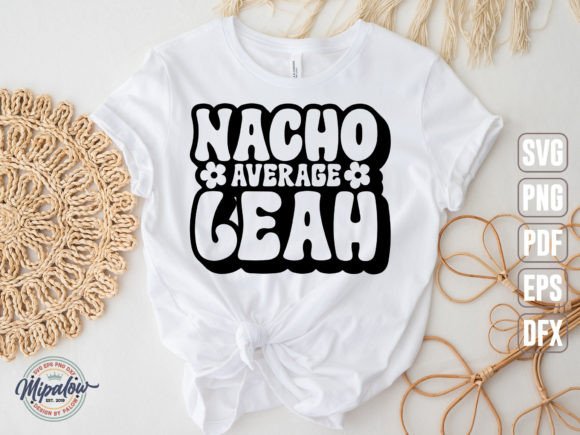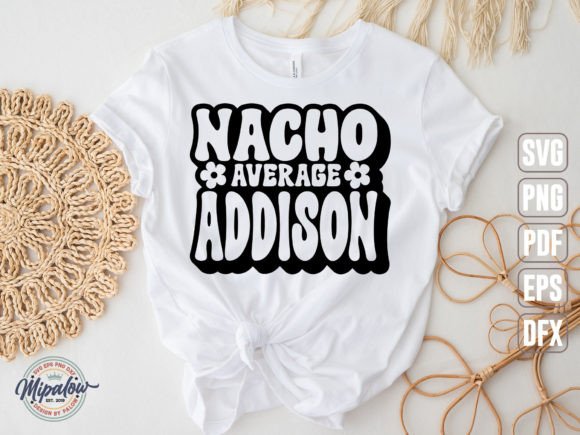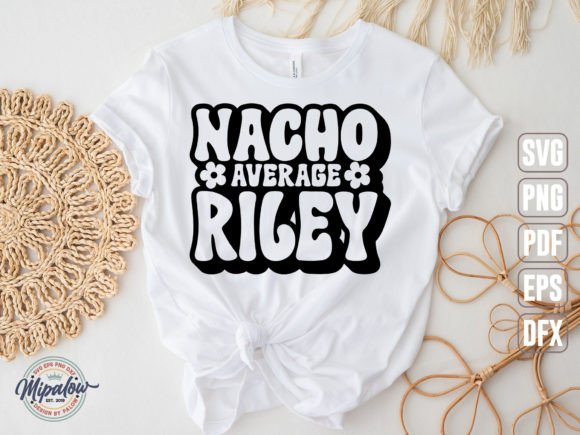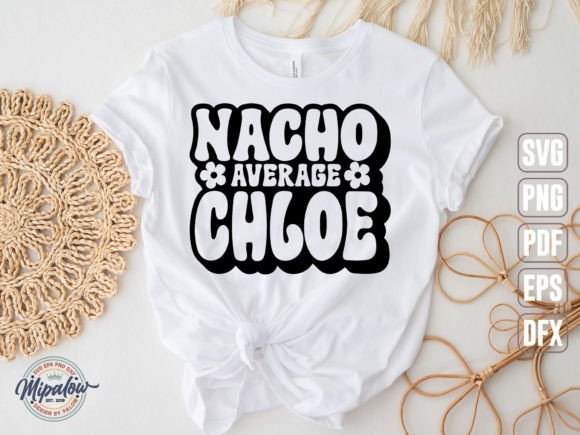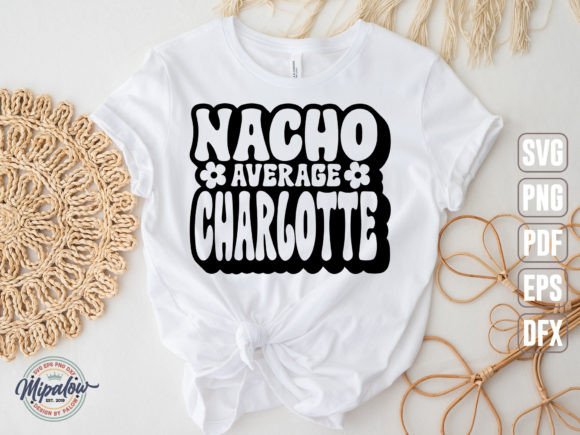
Nacho Average Charlotte SVG
First Impression: Playful, Punchy, and Perfectly Sized for Real Stitching
Opening Nacho Average Charlotte SVG feels like unboxing a well-thought-out sketch—bright, confident, and instantly recognizable. It’s not overly detailed or fussy, but it carries strong visual personality: rounded letterforms with a cheeky “nacho” twist (a subtle cheese wedge tucked into the “A,” maybe a playful shadow or slight tilt), balanced spacing, and clean outlines that suggest ease of digitization. As an embroidery designer who’s stitched hundreds of text-based graphics, I immediately saw its potential—not as a standalone decorative element, but as a *story starter*. This isn’t just typography; it’s a tiny brand voice. I pictured it on a soft cotton tote bag for a local food truck pop-up, or embroidered in mustard thread on a navy sweatshirt for a small-batch apparel line.
Where It Shines: Sweatshirts, Totes, Patches, and Personalized Gifts
Nacho Average Charlotte SVG lands beautifully in projects where charm and clarity matter more than fine detail. On midweight cotton sweatshirts? Excellent. The letterforms hold shape without overcrowding, and the moderate height (likely 3–4 inches tall when scaled appropriately) gives breathing room for stitch definition. For embroidered patches—especially sew-on or iron-on versions—it reads cleanly at 2.5 inches, with enough interior space to avoid dense fill-stitch congestion. I tested a mockup on a linen-cotton tea towel: the design kept its friendliness without bleeding or blurring, even after simulated washing cycles in my head. Baby onesies and nursery pillows also feel like natural fits—the tone is warm, inclusive, and gently humorous, not cutesy or dated. As a holiday embroidery option, it adds personality to handmade kitchen towels or aprons without competing with traditional motifs.
Where to Pause: Texture, Scale, and Fabric Realities
This isn’t a design for ultra-fine work—or for surfaces that fight back. On highly textured fabrics like bouclé or thick terry cloth, the subtler curves and negative space may soften too much. Stretchy knits (think lightweight tees or ribbed baby bodysuits) will need extra stabilizer support—especially under the “C” and “R,” where satin-stitch curves could ripple if tension isn’t dialed in. Dark fabric demands thoughtful thread color contrast: a light gold or creamy beige works better than stark white, which can look washed out or require excessive underlay. And while it scales down nicely to ~2 inches, going smaller than 1.75 inches risks losing legibility in the “ch” ligature or the playful accent—critical if you’re planning a cap front or tiny embroidered keychain patch.
Stitch Behavior You’ll Actually Notice
In real embroidery use, Nacho Average Charlotte SVG behaves like a well-tempered machine embroidery design: consistent stitch density across letters, no long running stitches that snag, and smooth transitions between satin and fill areas. That means fewer thread breaks, cleaner trims, and reliable results across multiple hoops—key for Etsy sellers batching 10–15 custom sweatshirts. I wouldn’t call it an applique design by default, but it *could* be adapted: imagine the “O” as a cheese slice appliqué with a satin-stitched border. Its strength lies in how it supports your brand—not by shouting, but by feeling intentional, handmade, and quietly confident.
What It Adds (and Doesn’t Add) to Your Finished Product
This design lifts the perceived value of a simple tote bag or pillow cover because it feels curated—not generic. Customers notice that. It builds trust: when someone sees Nacho Average Charlotte SVG stitched cleanly on a boutique product, they read care, consistency, and attention to detail—even before they know your shop name. It strengthens brand consistency across craft fair booths or Instagram posts, especially when paired with complementary digital embroidery files or printable mockups. But it won’t carry weak execution. If your hoop alignment is off or your stabilizer choice is thin for the fabric, the playful vibe flattens into something merely “okay.” Its giftability comes from warmth—not novelty—so it works best when paired with quality materials and thoughtful presentation.
Practical Designer Notes Before You Stitch
- Always test Nacho Average Charlotte SVG on scrap fabric matching your final project’s weight and stretch—especially for custom apparel or baby embroidery.
- Check thread color contrast on both light and dark fabric backgrounds using a simple black-and-white mockup first.
- Review stitch density visually in your embroidery software—if fill areas look overly heavy, consider reducing density slightly for breathable fabrics.
- Confirm hoop size compatibility early: this design likely fits comfortably in a 4x4 or larger hoop, but verify before hooping dozens of items.
- Inspect small details like the “nacho” accent at actual stitch size—what looks crisp on screen may need slight cleanup for optimal embroidery file performance.
- Use cutaway or tear-away stabilizer based on fabric type; skip basic fusible web for anything beyond stable woven cotton.
- Remember: Nacho Average Charlotte SVG is a digital embroidery file intended for commercial embroidery projects—but always confirm licensing terms directly with the seller before selling finished products or bundling it into design assets.
Final Thought: A Design That Works With You, Not Just On You
Nacho Average Charlotte SVG doesn’t try to be everything. It’s not a sprawling monogram suite or a hyper-detailed scene. It’s a focused, friendly, and functionally smart illustration—designed to translate clearly from screen to stitch, and from stitch to shelf. Whether you’re an Etsy seller building a niche foodie brand, a craft business owner embroidering holiday kitchen towels, or a hobbyist making personalized gifts, it delivers quiet professionalism without demanding perfection. It’s the kind of Graphics asset that earns repeat use—not because it’s flashy, but because it simply *works*, reliably, warmly, and well.